Zafeirios Fountas
Principal Research Scientist · Brain-inspired AI
Huawei · London





Principal Research Scientist · Brain-inspired AI
Huawei · London

I'm a Principal Research Scientist and group leader at Huawei, where I lead the brain-inspired computing team in London. My work sits at the intersection of cognitive neuroscience and machine learning, with a focus on memory, continual learning and decision making.
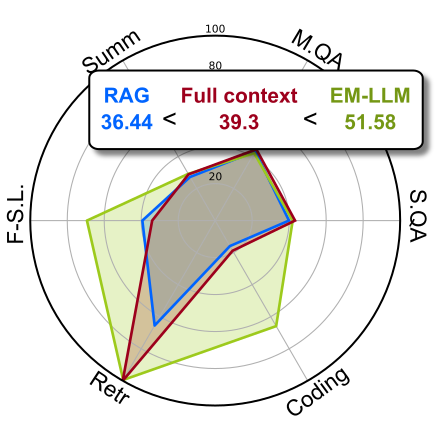
Today, I'm most excited by how ideas from the brain (episodic memory, consolidation, integrated reasoning and intrinsic motivation) can make large language models think and remember more like we do. A recent example: EM-LLM (ICLR 2025), a brain-inspired memory architecture for LLMs.
Before Huawei, I was a founding scientist at Emotech, where I led the AI behind Olly (a personal robot that won 4 CES Innovation Awards). I was also a research fellow at the Wellcome Centre for Human Neuroimaging, UCL, working with Karl Friston on active inference. Before that, I spent eight years at Imperial College London's Department of Computing, doing my PhD with Murray Shanahan.
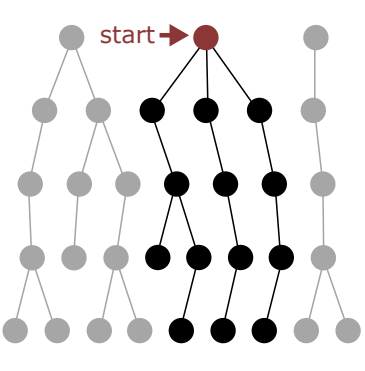

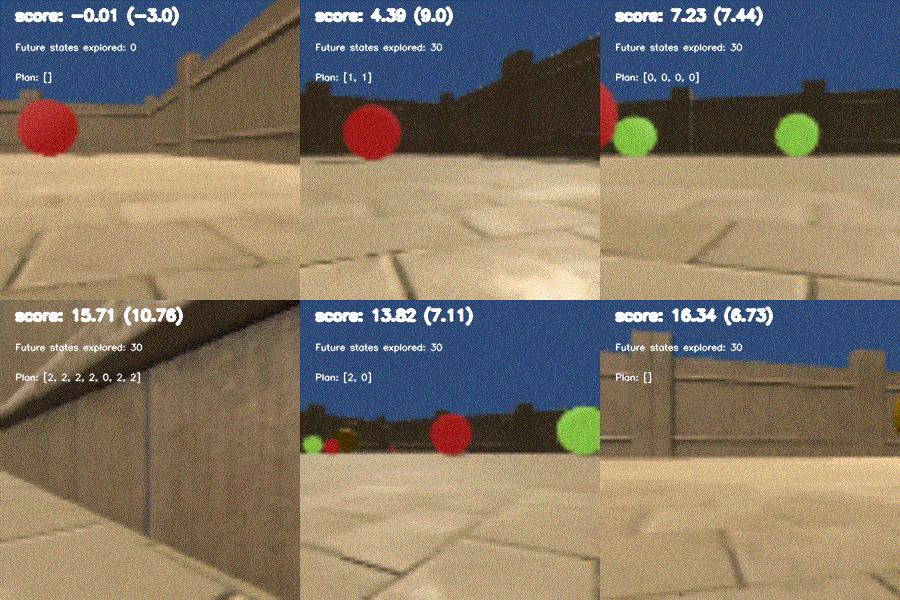

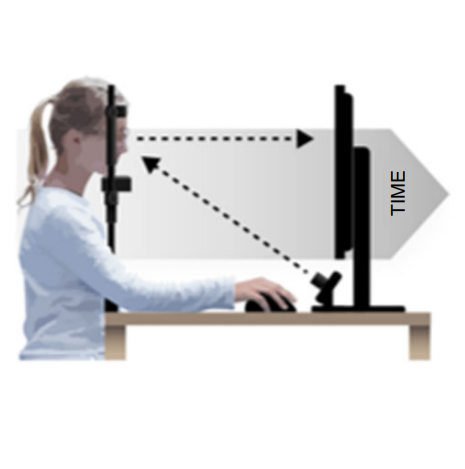
I led the AI design behind Olly, a smart-home personal robot whose architecture was based on global workspace theory. Olly could predict users' personality and affective state, convey its own mood, and behave proactively rather than reactively.
Olly won 4 CES Innovation Awards in 2017 (the largest number ever awarded to a single robot product) and was demonstrated at the Royal Institution Christmas Lectures the same year.
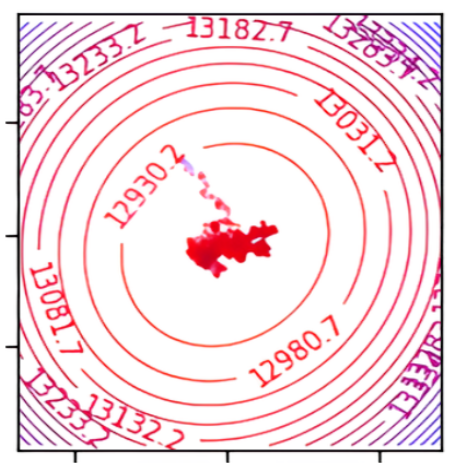
NeuroBot was a large-scale spiking neural network of around 20,000 neurons that controlled an avatar in Unreal Tournament 2004 in a human-like manner. The high-level coordination was based on global workspace theory.
NeuroBot finished second in the 2K BotPrize human-like-bot competition at CIG 2011 in Seoul (the second-best score in the competition's history at the time), and was covered by New Scientist, EDGE and others. Early human-like AI work, well before LLMs made this fashionable.
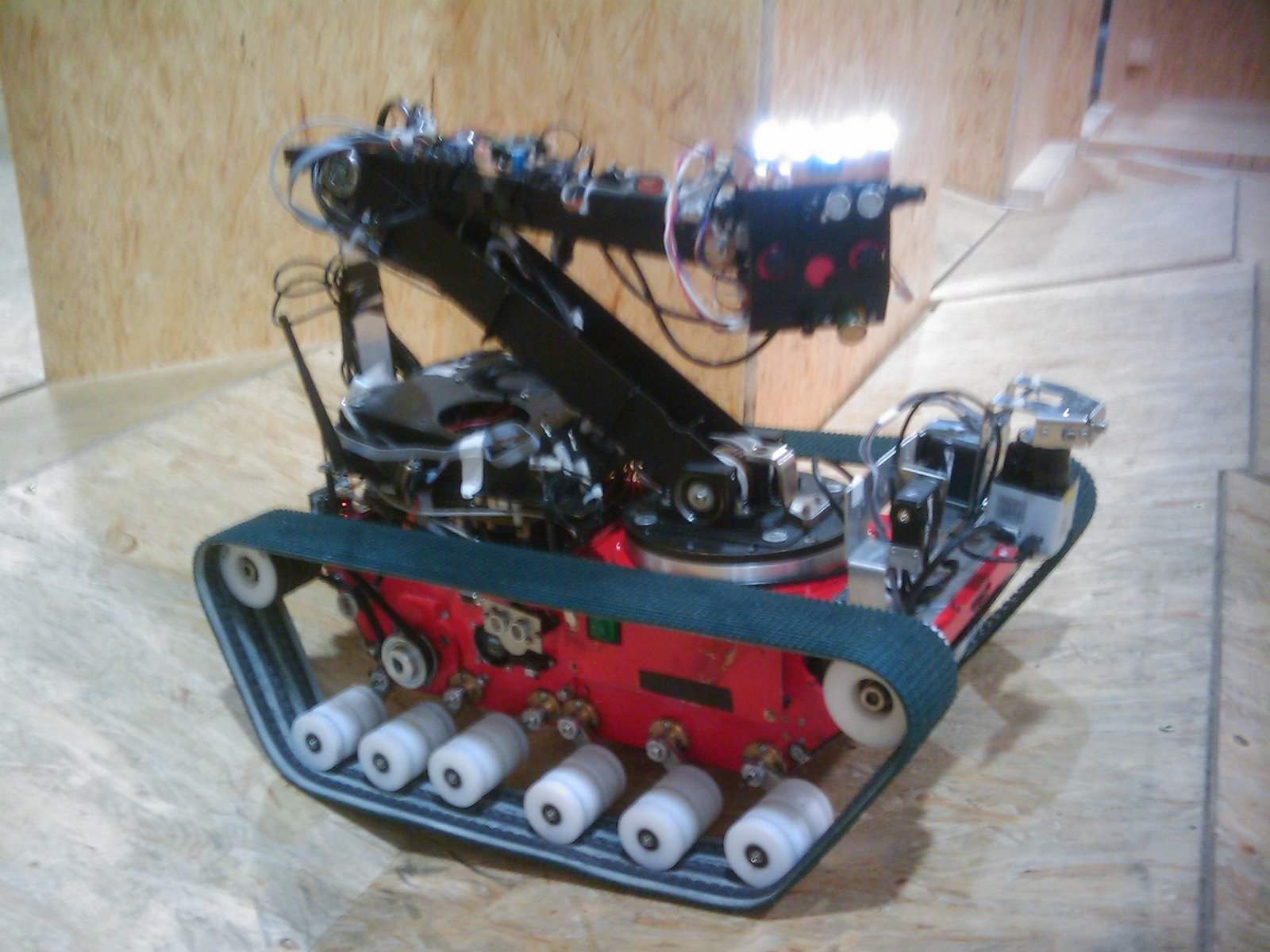
Co-founded PANDORA, a student-led robotics research team at Aristotle University focused on rescue robots: vehicles that navigate disaster areas and locate human victims. Today the team has more than 190 past and present members.
I started by designing and building a custom robotic arm, then led the arm and AI teams as we competed at the RoboCup Rescue Robot League world championships in Suzhou (2008) and Graz (2009, best European participation).
Happy to hear from researchers and engineers working on memory, active inference, or anything brain-inspired. The fastest way to reach me is email.
zafeirios.fountas@huawei.com
Off-screen interests: chess, sailing, FPV, philosophy of mind, music.